

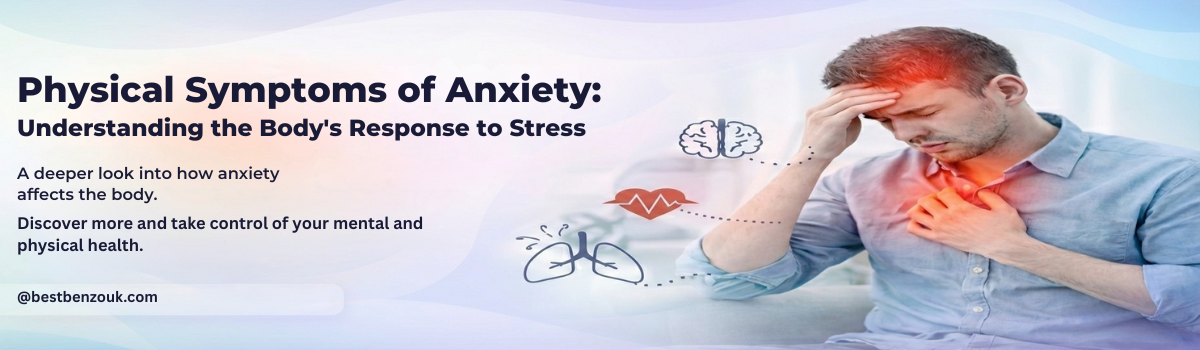
Anxiety is a common mental health condition that affects millions of people around the world. While anxiety is often discussed in terms of emotional or psychological symptoms, it’s important to recognize that anxiety also has a physical impact on the body. These physical symptoms can vary widely from person to person and can often be confusing or alarming for those who experience them.
In this article, we’ll explore the physical symptoms of anxiety, their causes, and how they relate to the body’s fight-or-flight response. We’ll also discuss how to manage these symptoms, the connection between mental and physical health, and when to seek professional help for anxiety.
Before diving into the physical symptoms, it’s important to understand what anxiety is. Anxiety is the body’s natural response to stress. It’s a feeling of worry, fear, or unease about something with an uncertain outcome. Generalized Anxiety Disorder (GAD), panic disorder, and social anxiety disorder are some common forms of anxiety that can affect individuals.
Anxiety is not always a bad thing— in fact, it can be helpful in certain situations, such as preparing for a presentation or staying alert in a dangerous environment. However, when anxiety becomes excessive or chronic, it can lead to various emotional and physical symptoms that interfere with daily life.
Anxiety is often referred to as a “mind-body” disorder because it involves both psychological and physical elements. The physical symptoms of anxiety are largely due to the body’s fight-or-flight response, a survival mechanism that triggers physiological changes to prepare the body for potential danger.
When you feel anxious, your brain perceives a threat, and your body responds by releasing stress hormones such as adrenaline and cortisol. These hormones prepare the body to either fight or flee, causing several physical changes. While this response can be helpful in moments of actual danger, it can become problematic when triggered inappropriately or excessively.
Anxiety can cause a wide range of physical symptoms, some of which can be intense or even mimic other medical conditions. Below are some of the most common physical symptoms of anxiety.
One of the most noticeable physical symptoms of anxiety is a rapid heartbeat or palpitations. When anxiety strikes, the body’s fight-or-flight response causes the heart to pump faster to deliver more oxygen and nutrients to muscles, preparing the body to take action. This can result in a feeling of your heart racing, pounding, or skipping beats.
When to be concerned: While heart palpitations are common during episodes of anxiety, frequent or severe palpitations, particularly when accompanied by chest pain or dizziness, should be evaluated by a healthcare provider to rule out other heart conditions.
Excessive sweating, or hyperhidrosis, is another common physical symptom of anxiety. Anxiety activates the sympathetic nervous system, which controls the body’s stress response, including sweating. This may be particularly noticeable in the palms of your hands, underarms, or on your forehead during moments of stress.
When to be concerned: Sweating alone is typically harmless during episodes of anxiety. However, if you experience persistent or unexplained sweating, it’s important to consult with a doctor to rule out underlying medical conditions.
Many people with anxiety experience shortness of breath or a sensation of not being able to take a deep breath. This is often referred to as dyspnea and can occur during both mild and intense episodes of anxiety. The body’s response to stress causes the respiratory rate to increase, leading to shallow, rapid breathing.
When to be concerned: If shortness of breath is accompanied by chest pain, dizziness, or lightheadedness, it’s important to seek medical advice, as these could be symptoms of a more serious condition, such as a heart attack or asthma.
Anxiety can cause tremors or shaking, especially in the hands, legs, or body. This symptom occurs as a result of the body’s heightened nervous system activity, which causes muscles to tense and twitch.
When to be concerned: Mild shaking is common with anxiety, but if tremors persist or worsen over time, it could indicate another neurological condition, and you should consult a healthcare provider.
Chronic anxiety often results in muscle tension, which can lead to discomfort or pain. Commonly affected areas include the neck, shoulders, and jaw. Over time, this tension can result in headaches or even conditions like TMJ (temporomandibular joint disorder), which affects the jaw.
When to be concerned: Persistent muscle tension may cause long-term physical issues if left unchecked. Incorporating relaxation techniques, such as yoga or deep breathing, can help relieve muscle tightness.
The gut-brain connection is strong, and anxiety can have a direct impact on the digestive system. Anxiety often leads to symptoms like nausea, upset stomach, or even diarrhea. This is due to the body redirecting resources to other areas during the fight-or-flight response, leaving the digestive system compromised.
When to be concerned: While occasional stomach upset is normal during moments of anxiety, frequent gastrointestinal discomfort should be discussed with a healthcare provider to rule out conditions like irritable bowel syndrome (IBS) or acid reflux.
Anxiety can cause feelings of dizziness, lightheadedness, or even fainting. This is often a result of hyperventilation, which reduces carbon dioxide levels in the blood, causing dizziness. Anxiety can also cause a drop in blood pressure, further contributing to lightheadedness.
When to be concerned: If dizziness or fainting occurs regularly or is accompanied by chest pain or confusion, it’s important to seek medical attention to rule out other medical issues.
Anxiety can cause a dry mouth (xerostomia) or make swallowing feel difficult or uncomfortable. This happens as a result of the body’s “fight-or-flight” response, which inhibits non-essential bodily functions like saliva production during stress.
When to be concerned: While dry mouth can occur temporarily with anxiety, persistent dryness may indicate other conditions, such as Sjogren’s syndrome, and should be checked by a doctor.
Some individuals with anxiety experience the need to urinate frequently, especially during moments of heightened stress. The body’s nervous system can affect bladder function, leading to the sensation of needing to urinate more often than usual.
When to be concerned: If frequent urination is coupled with other symptoms such as pain or burning during urination, it may indicate a urinary tract infection (UTI) or another medical condition, requiring professional evaluation.
Cold hands and feet are a common response to anxiety. During a stress response, blood is redirected to the muscles and vital organs, leaving the extremities feeling cold or clammy.
When to be concerned: Cold extremities are typically harmless during anxiety, but if you experience persistent coldness or numbness in the hands or feet, you should consult a healthcare provider.
While anxiety-induced physical symptoms can be overwhelming, there are several strategies to help manage them:
Deep breathing techniques, such as diaphragmatic breathing or the 4-7-8 method, can help slow down the heart rate and calm the nervous system, reducing physical symptoms like shortness of breath and palpitations.
Regular physical activity helps reduce overall anxiety and tension. Even a short walk or stretching routine can help alleviate muscle tension and improve mood.
Mindfulness meditation and practices like yoga can help reduce the physical symptoms of anxiety by promoting relaxation and focusing on the present moment.
Cognitive Behavioral Therapy (CBT) is an effective treatment for anxiety. It helps individuals identify negative thought patterns and develop healthier coping strategies, reducing both emotional and physical symptoms.
In some cases, medication may be prescribed to help manage anxiety. SSRIs (Selective Serotonin Reuptake Inhibitors) and benzodiazepines are commonly used to treat anxiety-related physical symptoms.
Incorporating regular sleep, a balanced diet, and stress-reducing activities into your routine can reduce the frequency and intensity of anxiety symptoms.
The physical symptoms of anxiety can be distressing, but understanding why they occur and how to manage them can significantly improve your quality of life. Anxiety affects both the mind and body, and recognizing the connection between the two can empower you to take control of your health. If physical symptoms of anxiety are interfering with your daily activities, it’s important to seek help from a healthcare professional to explore appropriate treatment options.
Read More: Sleeping Pills In UK